

Diamond, King of Precious Stones
1 April 2025
Diamond, King of Precious Stones
You likely know that the diamond is the birthstone for the month of April. You may also know that it symbolizes 60 years of marriage. But do you truly know diamonds? From stardust to the ultimate gemstone for wedding and engagement rings, diamonds have long inspired fascination. In this article, we explore the world of diamonds—a journey that begins with the legends and history surrounding them.
Legends and History
According to legend, diamonds, those shimmering stones we cherish today, are as old as time itself, with traces of their existence dating back over 6,000 years. Their first documented historical appearance took place in India in the 4th century BC. The Egyptians regarded them as symbols of the sun, courage, and truth. In Greek mythology, diamonds were believed to be the tears of the gods or fragments of stars fallen to Earth. The Romans, for their part, thought Cupid’s arrows were tipped with diamonds, reinforcing their association with love.
Until the 15th century, wearing diamonds was reserved for men of royal families, as a display of power and wealth. In 1270, King Louis IX of France even enacted sumptuary laws reserving diamonds exclusively for the monarch.
This tradition shifted in 1444, when King Charles VII gifted numerous jewels, including diamonds, to his mistress Agnès Sorel. This gesture marked the beginning of a new era in which women would begin to wear these precious stones.
In 1477, Maximilian I of Austria made history by presenting a diamond engagement ring to his bride, Mary of Burgundy.
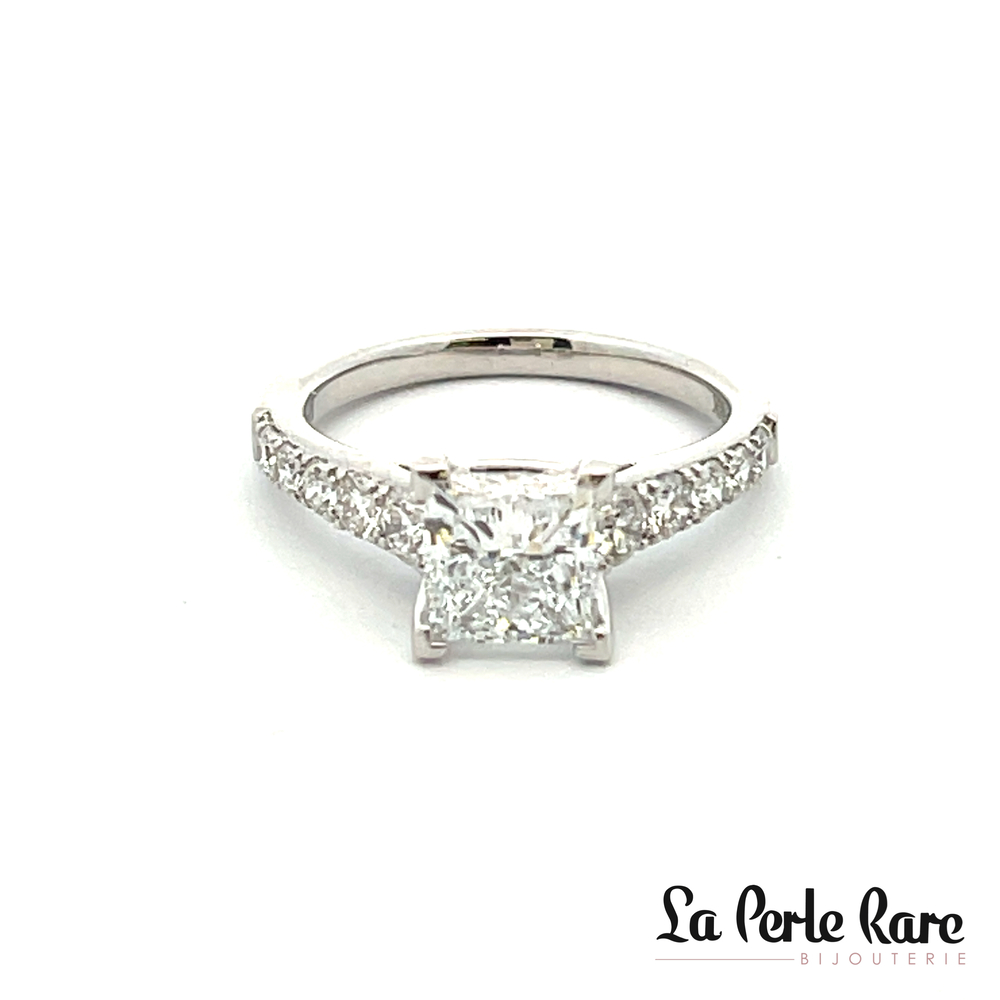
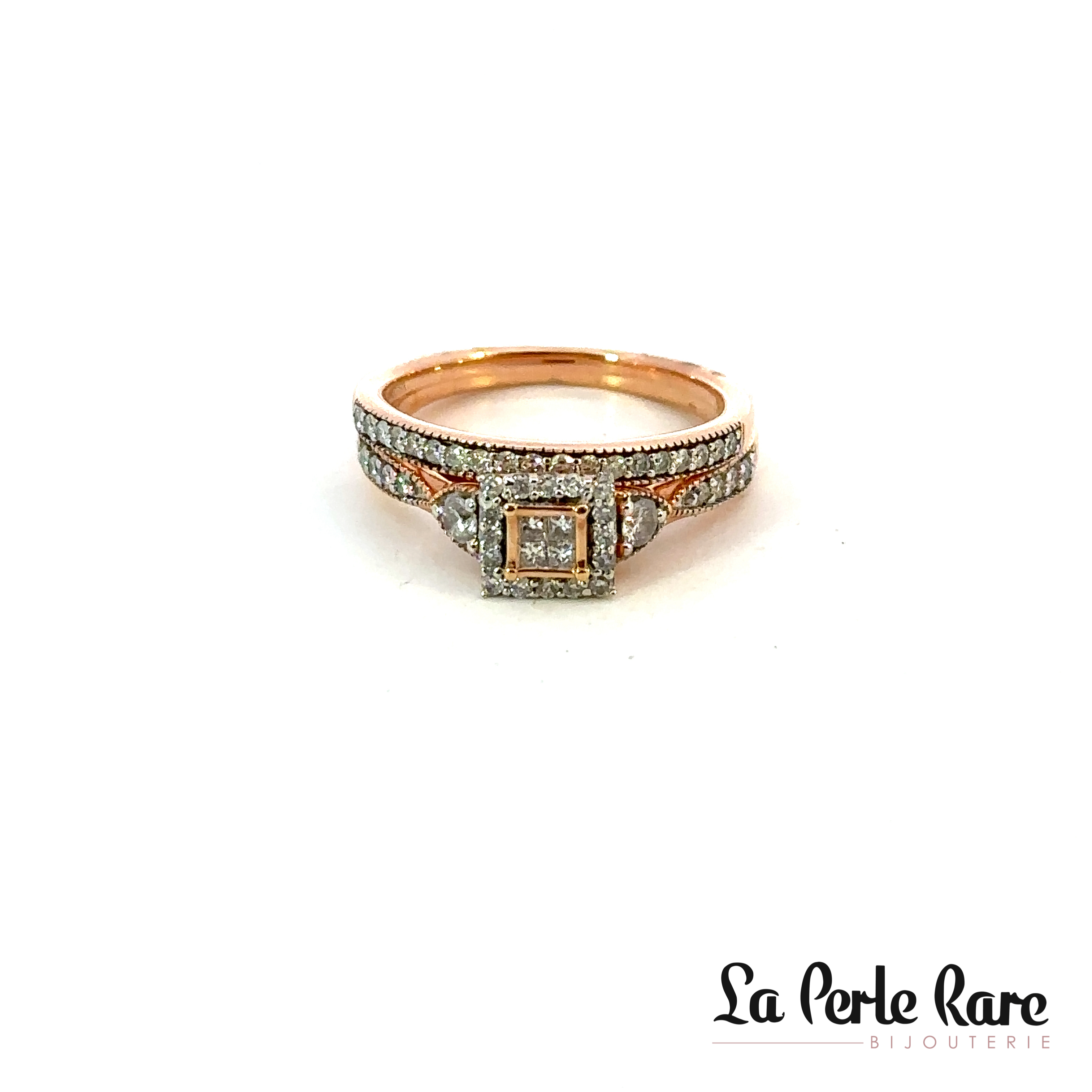
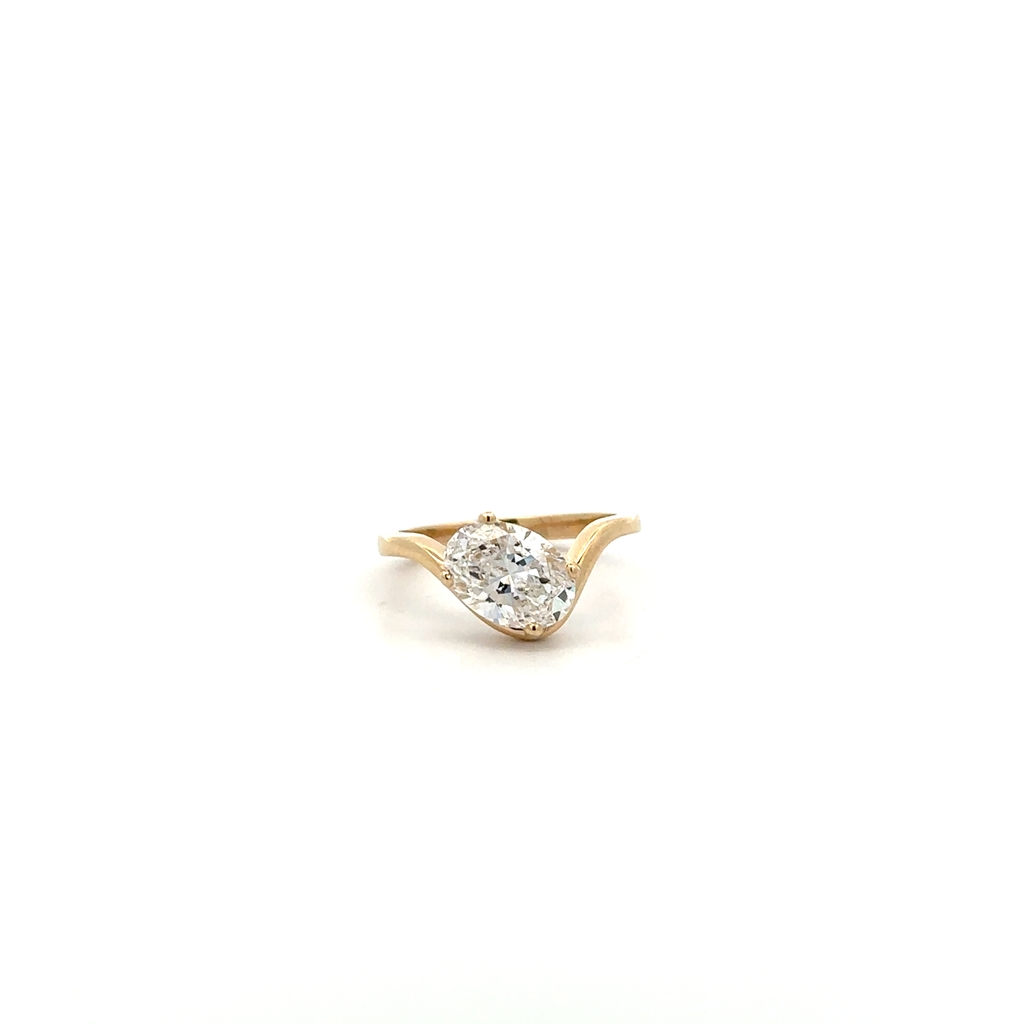
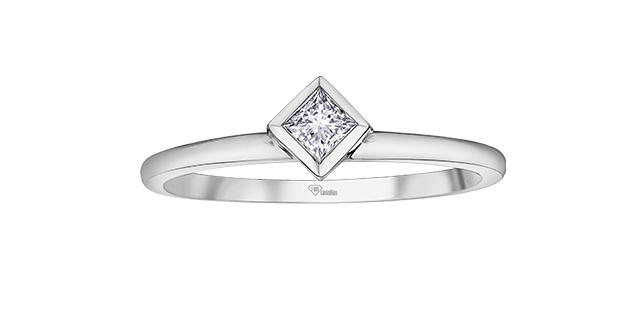
To carry on this tradition, here are a few exquisite rings you will find at La Perle Rare Jewellery.
Diamonds gradually became more accessible following the discovery of major diamond mines in South Africa in the 1870s. Their extraction then took on what could be described as an industrial scale. In 1888, De Beers—long dominant in the global diamond trade—was founded. As late as the 1990s, 90% of rough diamonds were still sold through the company. De Beers is also behind the iconic slogan, “A diamond is forever,” emphasizing the durability of diamonds and their enduring connection to eternal love.
The Natural Diamond: A Truly Unique Stone
Diamond is the hardest natural material. Its name comes from the Greek adamas, meaning “invincible” or “indestructible.” In fact, diamonds can only be scratched by other diamonds.
It is also an exceptionally pure stone, which further distinguishes it among precious gems. Diamonds are composed of 99.95% carbon—and in some cases, as much as 99.99%. The remaining trace elements include boron, nickel, nitrogen, or fluorine, among others. These elements are responsible for the existence of colored diamonds (red, blue, pink, orange, brown, black, gray, or even green).
Diamonds form deep within the Earth, typically between 140 and 190 kilometers below the surface. Most other precious stones form much closer to the surface, at depths of around 30 to 50 kilometers. For diamonds to form, carbon must be heated to temperatures between 900 and 1,300 degrees Celsius and subjected to pressures of approximately 51,000 kilopascals. To put that into perspective, imagine turning the Eiffel Tower upside down and balancing its tip on a postage stamp. Remarkable, isn’t it?
These extreme conditions occurred millions—even billions—of years ago. The oldest diamonds are nearly as old as the Earth itself. In fact, all natural diamonds are believed to have formed over 900 million years ago. Forged deep within the Earth, they were brought closer to the surface through powerful volcanic eruptions.
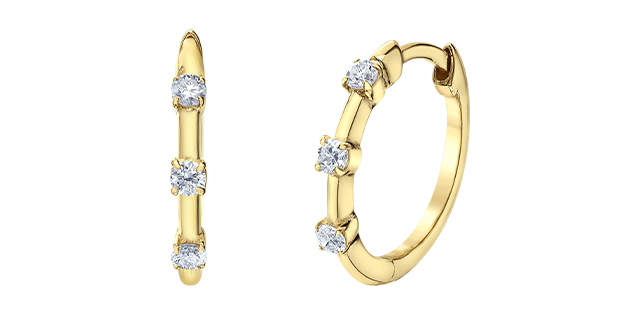
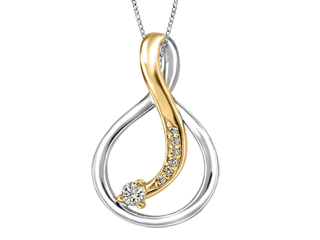
You will find many diamond-set pieces in our collection, including diamonds sourced from Canadian mines.
Synthetic Diamonds, or Laboratory-Grown Diamonds
It has been known since the late 18th century that diamonds are made of carbon. Since then, many have attempted to recreate them artificially. The first convincing experiment took place in Sweden in 1953, and in 1954, the creation of the first synthetic diamond was officially recognized.
Laboratory-grown diamonds are generally smaller than natural ones. The largest natural diamond, the Cullinan, weighs 3,106 carats (621 grams). By comparison, the largest laboratory-grown diamond weighs 155 carats, while the largest one used in fine jewelry is about 9 carats.
Due to their smaller size, early laboratory diamonds were primarily used for industrial purposes, such as manufacturing cutting tools. Their use in jewelry only began in the mid-1990s. In recent years, they have seen significant growth in popularity due to their more accessible price point and reduced environmental impact. Moreover, distinguishing a natural diamond from a laboratory-grown one is challenging, as their physical and chemical properties are very similar.
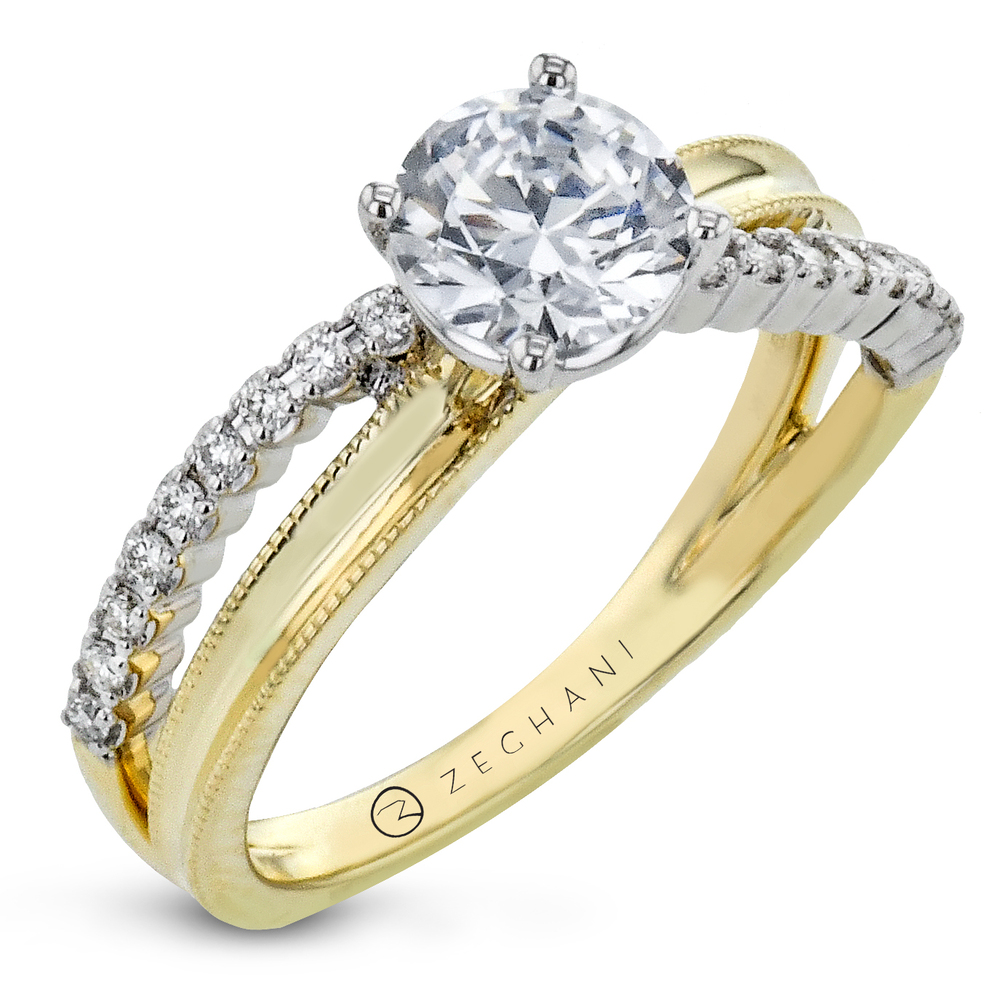
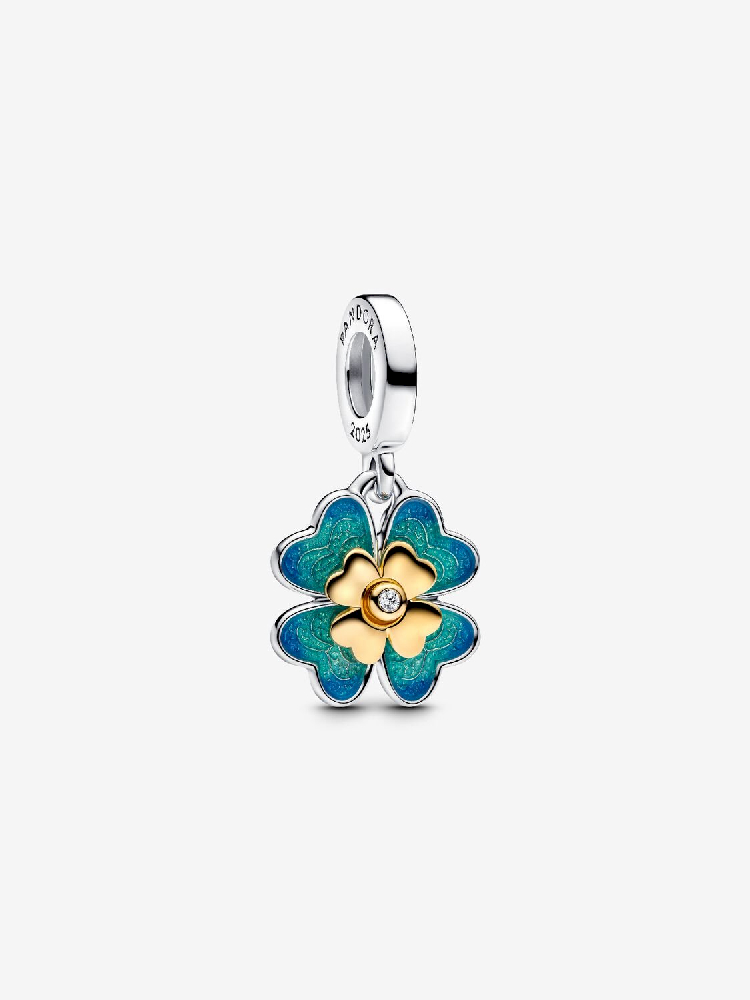
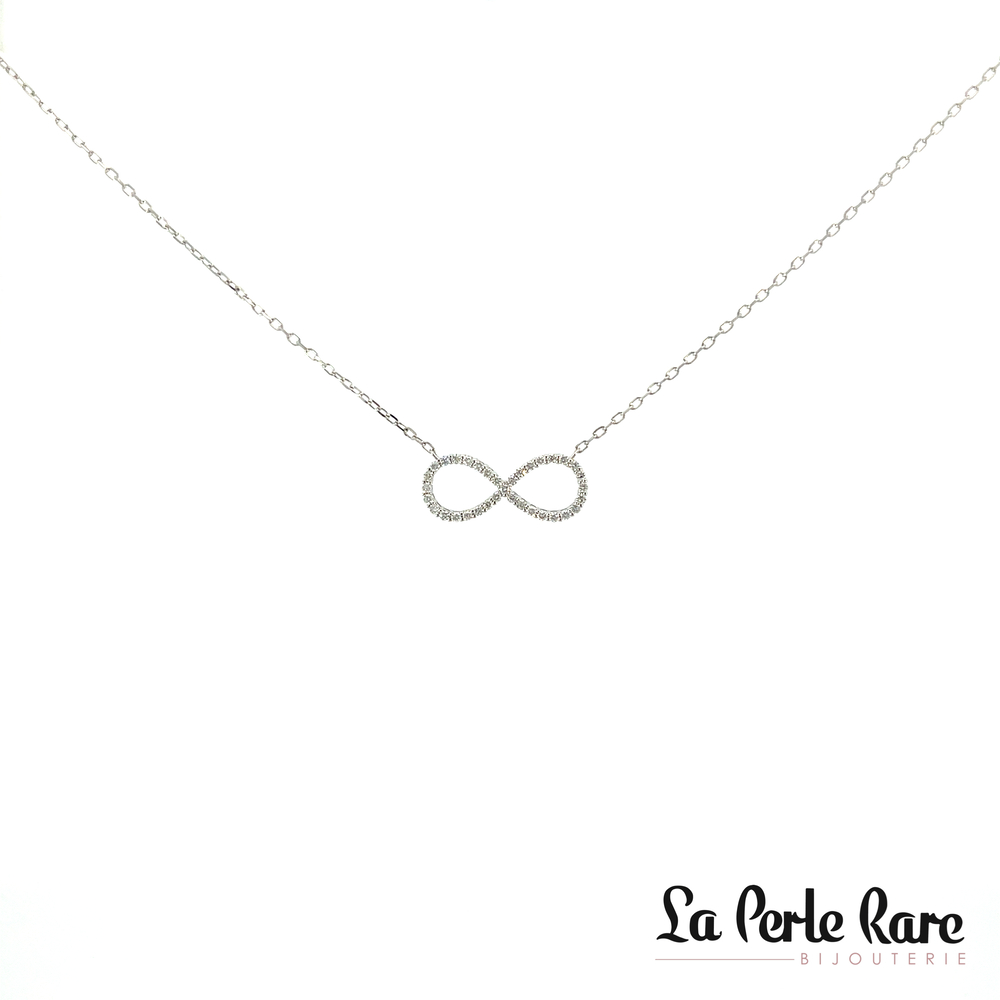
Laboratory-grown diamonds are now found in both fashion jewelry and high-end pieces. Whether natural or synthetic, diamonds continue to captivate hearts and adorn jewelry around the world. For those wishing to explore this remarkable gemstone, we invite you to visit our boutique, where you can discover a wide range of diamond creations. Stay tuned for our next article, where we will explore the criteria used to evaluate the quality and value of diamonds.
Sources : Wikipédia, Diamants Infos